
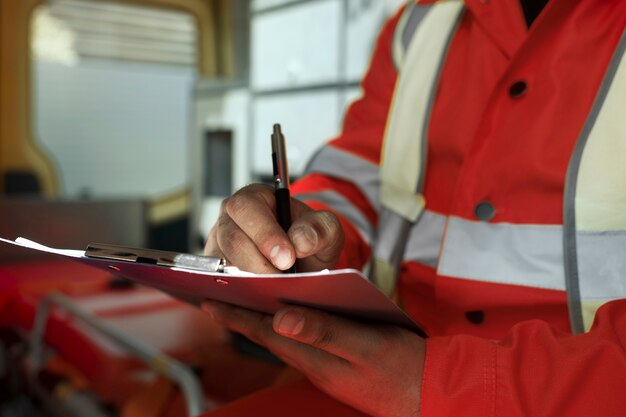
Emergencies can strike without warning, and being prepared is your best defense. A well-thought-out emergency safety checklist can be the difference between chaos and calm. Let’s explore how to equip yourself and your household for any unforeseen event.
Why You Need an Emergency Checklist
When disaster strikes, the last thing you want is to scramble for essentials. A comprehensive prepare safety checklist emergency ensures that you have everything you need, from basic supplies to vital documents.
1. Quick Response and Efficiency
Having a checklist streamlines your actions. In high-pressure situations, a pre-made plan helps you stay focused and organized.
2. Peace of Mind
Knowing you’re prepared reduces anxiety. It’s empowering to have a plan in place for your family’s safety.
Must-Have Items for Any Emergency
Building a must-have emergency checklists starts with the basics. Tailor it to your environment and potential risks.
1. Essential Supplies
- Water: At least one gallon per person per day for three days.
- Non-perishable food: Enough to last for at least three days.
- First-aid kit: Include bandages, antiseptics, and necessary medications.
- Flashlights and extra batteries.
- Multi-tool or basic toolkit.
2. Personal and Medical Items
- Prescription medications and copies of prescriptions.
- Personal hygiene products (toothbrush, soap, feminine hygiene).
- Spare glasses or contact lenses.
Safety Checklist for Home Emergencies
Prepare your home for emergencies by focusing on structural safety and communication plans.
1. Fire Safety
- Install and test smoke and carbon monoxide detectors.
- Have fire extinguishers accessible on every floor.
- Practice evacuation routes with your family.
2. Natural Disaster Readiness
- Identify safe zones for earthquakes or tornadoes.
- Reinforce windows and doors for storms.
- Secure heavy furniture and appliances.
Emergency Checklist for Travel
Whether for leisure or work, a travel-specific emergency safety tips list ensures you’re prepared for the unexpected.
1. Vehicle Safety Kit
- Spare tire and tools.
- Jumper cables.
- Emergency flares and reflective vests.
2. Travel Documents
- Copies of identification and insurance.
- Contact information for emergency services.
- Portable phone charger.
Digital Safety and Emergency Contacts
In today’s world, digital preparedness is just as vital.
1. Secure Important Documents
- Store copies digitally on a secure cloud platform.
- Keep physical copies in a waterproof container.
2. Emergency Communication Plan
- Designate a contact outside your immediate area.
- Share emergency numbers with family members.
- Set meeting points in case of evacuation.
Maintaining and Updating Your Emergency Checklist
Preparedness is an ongoing process. Regularly update your emergency safety checklist to reflect changing needs.
1. Seasonal Adjustments
- Add warm clothing and blankets for winter.
- Include insect repellent and sunscreen for summer.
2. Routine Checks
- Review expiration dates on food and medications.
- Test electronic devices and replace old batteries.
By following these emergency safety tips list, you can protect yourself and your loved ones. A solid prepare safety checklist emergency is more than a precaution—it’s a necessity. Take the time to create and maintain your must-have emergency checklists today for a safer tomorrow.


More Stories
The Invisible Shield: Mastering Everyday Safety in a Chaotic World
5 Golden Rules for a Safer Workplace: Protect Your Team Tomorrow
10 Creative Safety Tips You Haven’t Thought Of (But Should!)